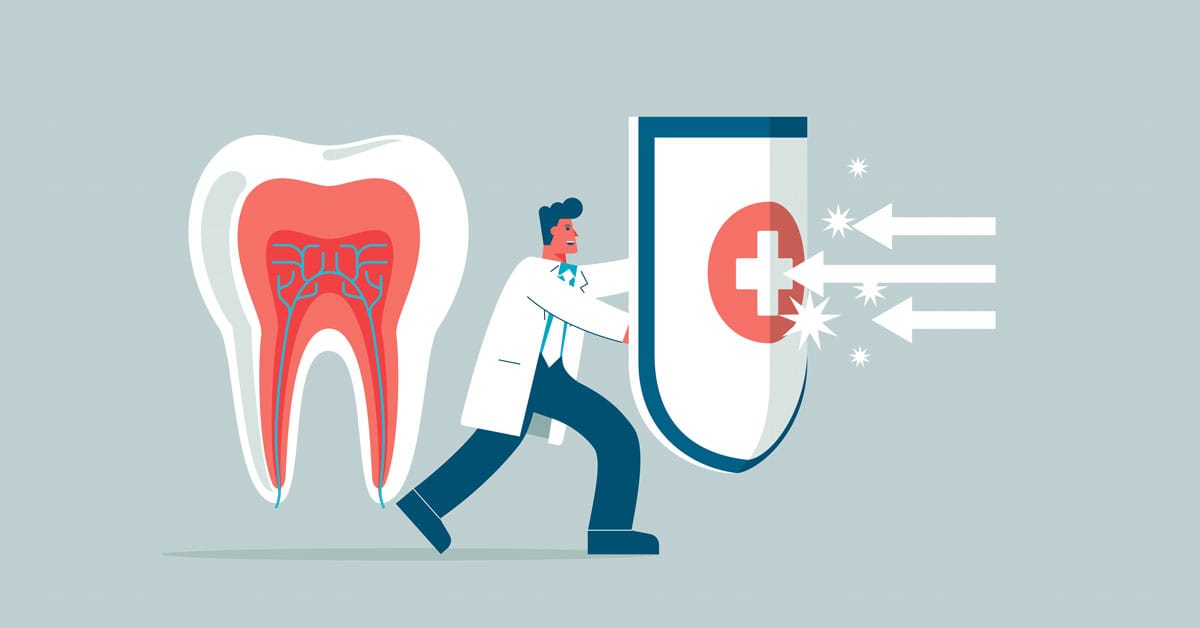

There are many myths about root canals. Learn the truth and you will be less likely to fear or avoid this beneficial treatment. Common misconceptions about the procedure revolve around how painful the procedure is and that they kill the tooth. Root canals relieve pain, not cause it, and the tooth does not die. Adult teeth don't need the pulp to function. When done correctly, a root canal can help you achieve much better dental health overall.
Your dentist will suggest a root canal if the pulp inside your tooth is damaged from decay or infected. Often, a person who needs a root canal is in terrible pain, which a root canal can eliminate. Root canals also help preserve natural teeth, which is a good reason to have one since tooth replacement, like a dental implant, is usually a far more expensive procedure.
Besides relieving pain and allowing a person to keep his or her natural tooth, a root canal can protect your health. If the infection isn't treated, it can spread throughout the mouth and to other parts of the body. In rare cases, this can lead to life-threatening problems.
Warning Signs you need a root canal include:
Find an affordable dentist right away if you have any of these symptoms.
Connect with your dentist if you’ve been wondering about root canals. Some of the most common questions dental professionals hear about root canals include the following:
Don't hesitate to ask your dentist or a member of their team a question. Most patients are apprehensive about pain. The cost for root canal therapy is also a concern for many people. Once you know the answers to your questions, you'll feel a lot more comfortable.
It is a straightforward procedure. Dentists and specialty dentists do about 15 million root canals every year (that’s a lot), saving their patient's natural smiles.
You have to see a dentist for an exam so he or she can determine if a root canal is your best option. This includes a visual exam and x-rays. Next, your dentist will explain the procedure and what to expect. Make sure you get answers to all your questions first.
Your dentist will numb the area surrounding the tooth so you won't feel any pain. He or she won't begin working until the local anesthetic takes effect. If you're especially nervous, you can ask about nitrous oxide (laughing gas) as well. Your dentist will most likely use a rubber dam to isolate the tooth and keep it clean while he or she is working.
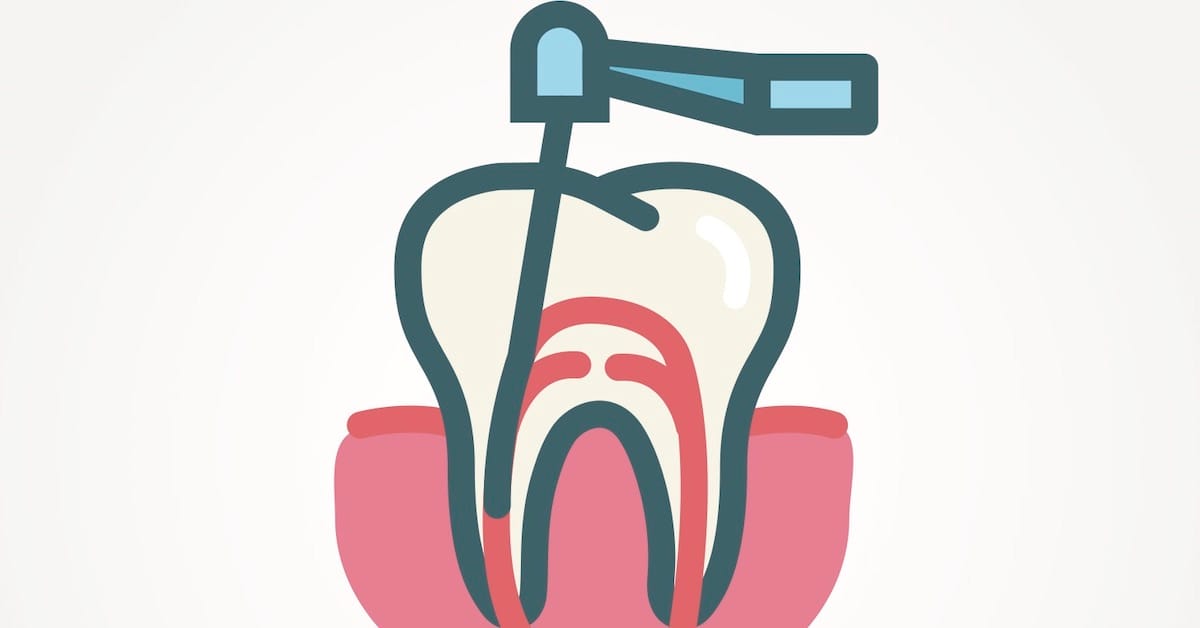
Your dentist will create a hole in the crown of your tooth to access the pulp. This is done from the chewing surface or the back of the tooth, depending on its location. He or she will then remove the pulp with special files, shape the canals so they can hold a filing, and wash the canals.
Once the canals are dry, your dentist will fill them with a rubber-like material and seal them with an adhesive. You'll also get a temporary filling to keep bacteria and food particles out of the tooth.
Your dentist will talk to you about whether you will need a permanent filling or a crown to restore the tooth's strength. Most people need a crown to make the tooth fully functional again.
Root canal therapy can take between one-half hour to one hour depending on how many roots are present. Schedule your appointment for a time when you won't have to get somewhere afterward at a certain time so you won't feel rushed afterward.
It's essential to follow the instructions your dentist provides. You'll heal faster.
Do:
Take OTC pain relievers as directed by your dentist. The pain may only be minor and last a few days, but your dentist will recommend an OTC pain reliever that can also help with the swelling.
Brush and floss normally, but be careful around the affected tooth.
Call your dentist if you experience severe pain, nausea, or have any concerns.
Don't:
Don't eat anything while your mouth is still numb after the root canal. You could easily bite your tongue.
Don't bite with the treated tooth for several days and chew on the other side of your mouth.
Don't smoke for a few days afterward as it can delay healing.
Be sure to keep your appointment for your final restoration. The tooth with a temporary filling can crack or break easily under the pressure of biting or chewing. In the cases of molars and premolars used for chewing, a crown is necessary. You may be able to get a permanent filling on front teeth instead of a crown. You may want a crown for cosmetic reasons, though, if the tooth was badly decayed and darkened before the procedure. If you grind or clench your teeth at night, a crown is essential, regardless of where the tooth is located.